
Checking Air and Drinking Water Quality in Pennsylvania
In 2020, our conservation priorities included clean air and water as public concerns. If you want to check conditions in your own Pennsylvania community, two different official records can help. Outdoor air quality appears through an index that changes with conditions. Public drinking water suppliers issue annual reports on their systems. We can use each source more carefully by asking what it measures, when the measurement applies and what remains unknown.

Read an AQI report before drawing conclusions
The Air Quality Index, or AQI, helps communicate outdoor air pollution and its potential health concern. The U.S. Environmental Protection Agency uses six categories, ranging from Good to Hazardous. A number is meaningful only when paired with its category, location and reporting time.
In the Air Quality Index categories, values from 0 to 50 mean Good, while 51 to 100 mean Moderate. A value above 100 signals increasing concern, beginning with groups especially sensitive to air pollution and extending to broader populations as numbers rise. These descriptions concern outdoor air. They do not measure the air inside a home, classroom or office.
Read the pollutant information where available. Ozone and fine particulate pollution, for example, are distinct pollutants. The index can reflect whichever pollutant produces the highest AQI value for the reported place and time. A number from yesterday cannot establish today’s conditions.
Find a water supplier’s annual report
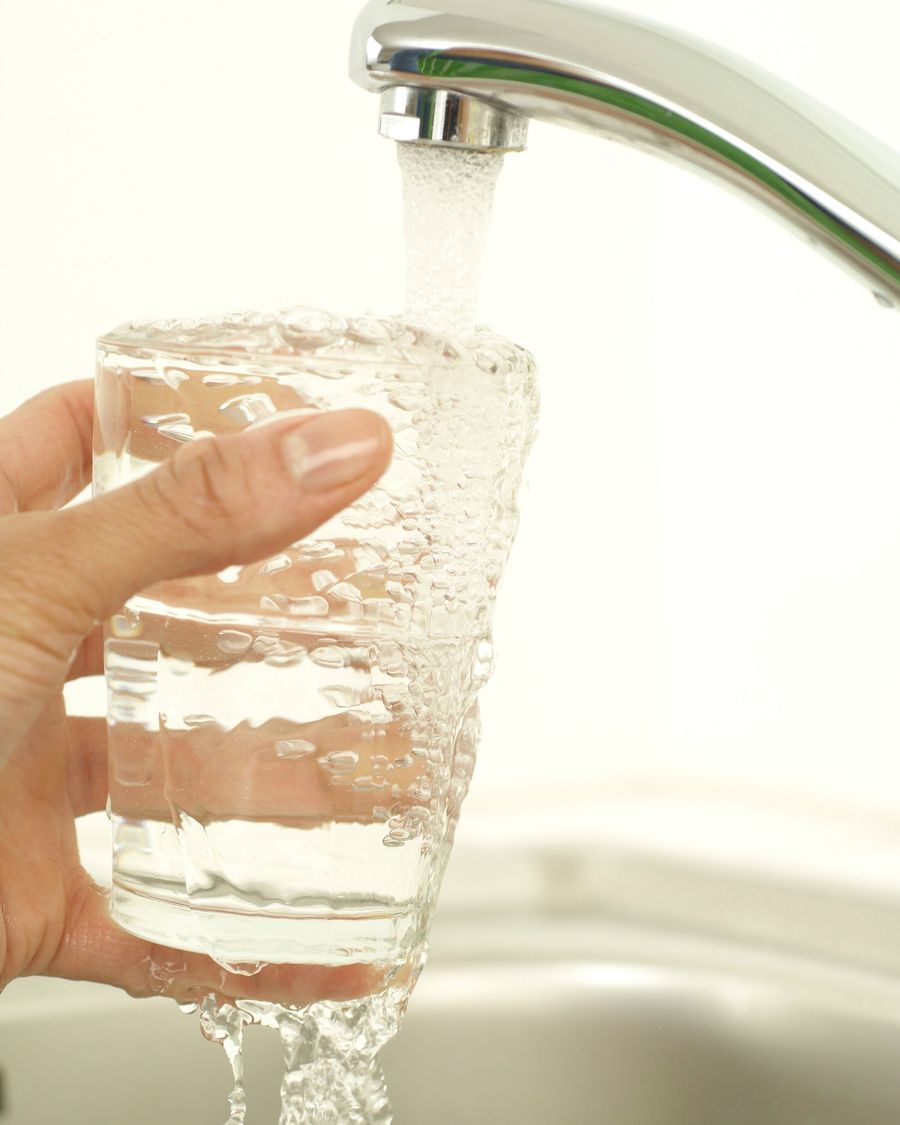
A community public water system must provide its customers with a Consumer Confidence Report, usually called a CCR. Under EPA rules, suppliers deliver an annual report by July 1. The document describes aspects of drinking water quality during the reporting year and identifies the water source.
The EPA explains how consumers can obtain annual drinking water quality reports. If you did not receive yours, contact the water supplier or use EPA’s report-finding tools. Check the name of the system first; neighboring addresses may rely on different sources or suppliers.
A CCR can list detected regulated contaminants, explain violations of drinking-water standards if any occurred, and describe actions taken by the system. It may also give contact information for people who can answer questions. The most useful reading begins with the reporting year, the supplier and the particular contaminant or standard named.
A private household well is a different case. A community-system CCR does not test someone’s private well or establish its water quality. The owner needs information specific to that water source and an appropriate testing route.
What the two readings can and cannot prove
These two tools answer separate questions. Compare their scopes before combining them into a statement about local environmental conditions. A single result should not become a general guarantee of safety.
| Public record | What it covers and its main limitation |
|---|---|
| Outdoor AQI | Outdoor air conditions for a reported location and time; it does not directly test indoor air or describe all exposures. |
| Drinking-water CCR | A community supplier’s water-quality results for a reporting year; it is not a current test at every household tap or a private-well test. |
The timelines matter. An AQI report may change over hours or days, while a CCR summarizes historical monitoring. An annual water report cannot establish the status of every tap at this moment. Likewise, a healthy-looking day outside does not establish that the local water supply meets a particular standard.
What to do with a concerning number
If a figure catches your attention, start by checking its context. We recommend keeping the exact reading and source together rather than forwarding a number on its own. Three questions can organize the follow-up:
- Where? Was the air measurement relevant to your location, or does the water report name your actual supplier?
- When and by whom? Is the figure a forecast, a recent observation or an annual result, and which agency or system issued it?
- What next? Does the issuing authority provide an explanation, alert, corrective-action notice or contact for further questions?
For urgent conditions, follow current notices from the responsible public agency or water supplier. A generic article cannot replace those local instructions, and a number by itself is not a personal medical assessment.
Our aim is straightforward: compare reliable measurements with the correct question. Public data become more useful when readers can identify their source, time period and limits. That approach supports a more accurate conversation about Pennsylvania’s air and drinking water without inventing conditions in any particular community.